Wafer Cookies vs. Candy Bars for a Better Afternoon Snack
A sweet break that actually works
Afternoon cravings hit almost like clockwork. Energy dips, focus fades, and the hand reaches for something sweet. Many people face a choice between a candy bar and a wafer cookie. Both satisfy a desire for sugar, but they treat the body very differently. Understanding those differences helps a person pick a snack that fits their routine without leaving them sluggish an hour later.
What a candy bar offers
A standard candy bar is built around sugar and fat, often with chocolate, caramel, or nougat. It delivers a fast spike in blood glucose, which explains the quick burst of energy. That spike, however, tends to fade just as fast. Within thirty to sixty minutes, blood sugar can drop below where it started, leaving a person tired and sometimes hungrier than before. This cycle can encourage another round of snacking later in the day.
Calorie density is another factor. Candy bars pack a lot of calories into a small volume, but those calories come mostly from refined sugar and saturated fat. They offer little in the way of protein, fiber, or micronutrients. For someone who wants a momentary treat, that is fine. But as a regular afternoon habit, the lack of nutritional substance can work against steady energy and overall diet goals.
What a wafer cookie brings
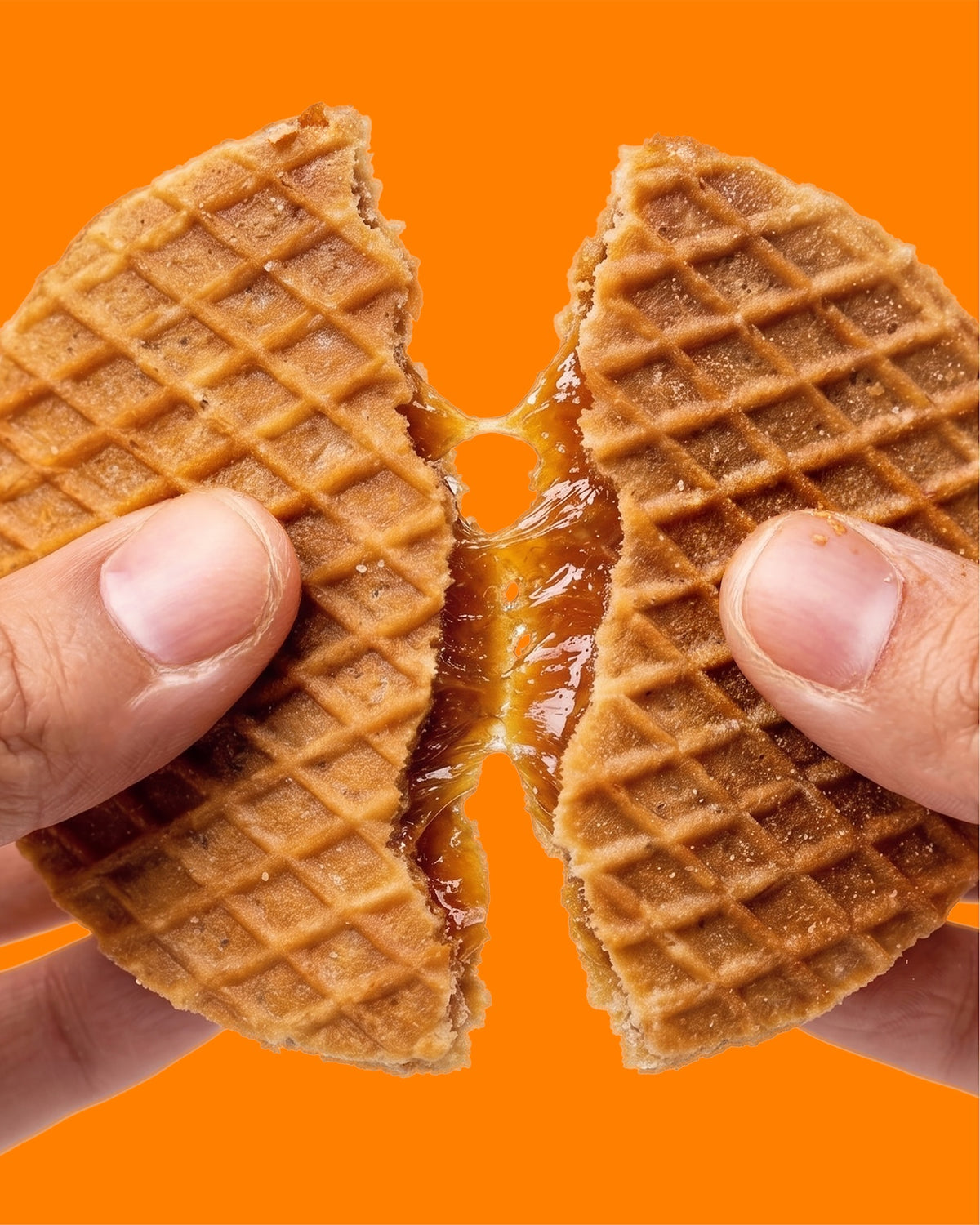
Wafer cookies, especially those with a chewy filling, have a different nutritional profile. The wafer itself is typically a thin, crisp layer of baked batter. The filling often contains a blend of ingredients that can include fiber, a touch of protein, and less sugar than a typical candy bar. Because the cookie is layered, it takes a bit more chewing and time to eat, which can help the brain register fullness before a person reaches for a second piece.
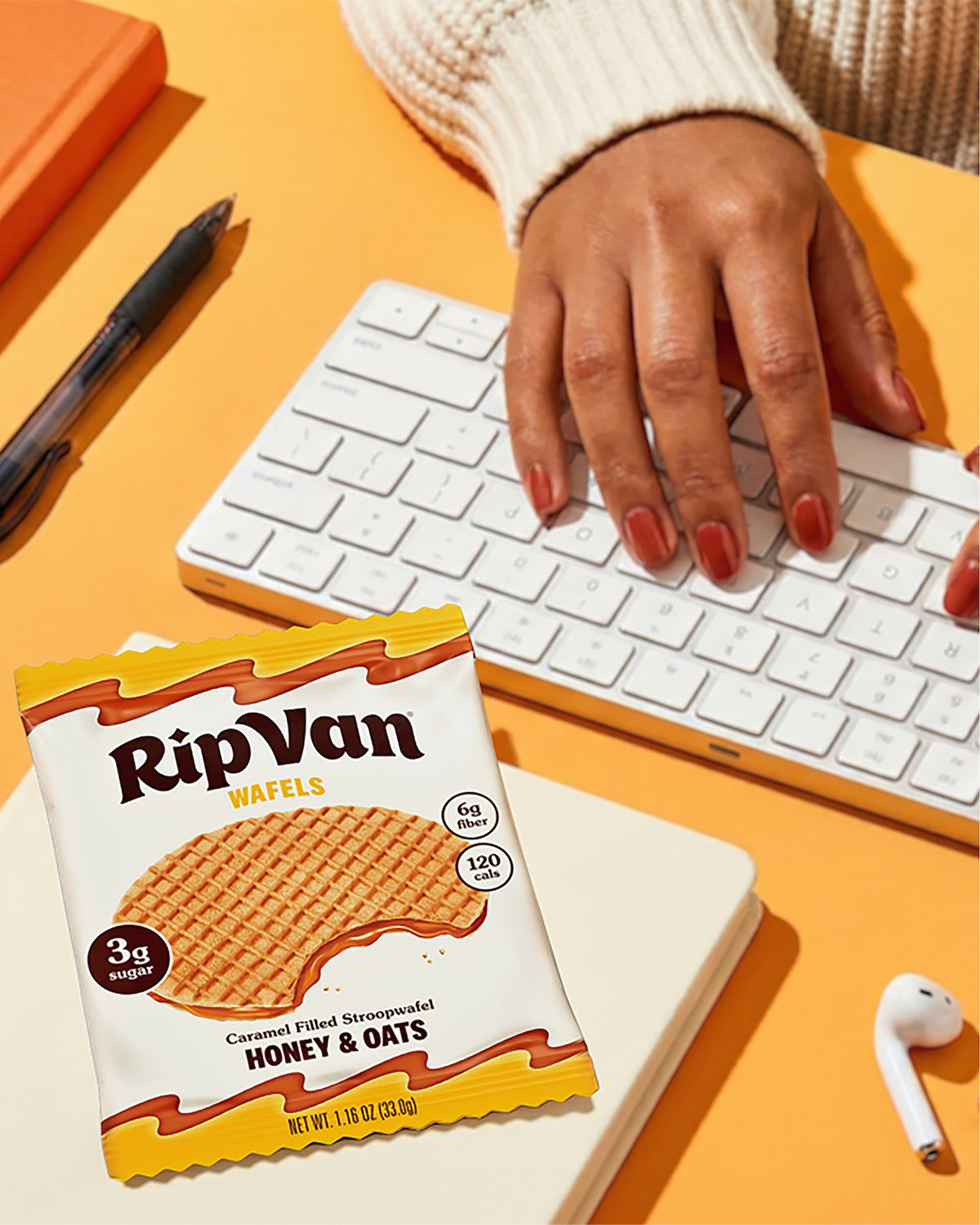
Portion size also plays a role. A single wafer cookie is usually smaller than a candy bar, but its texture and flavor concentration can make it feel just as satisfying. For someone trying to manage dessert cravings without derailing an otherwise balanced day, a wafer cookie can serve as a useful snack substitution. It delivers sweetness without the sharp blood sugar swing.
Texture and satisfaction
Texture matters more than most people realize when it comes to snack satisfaction. A candy bar is uniform: soft, chewy, or crunchy depending on the type, but it stays the same all the way through. A wafer cookie offers contrast. The crisp wafer gives way to a softer, chewy center, and that change in texture keeps the eating experience interesting. Slowing down the eating process, even slightly, can make a small snack feel more substantial.
Habit formation research suggests that the more a person enjoys a snack, the less they need to eat to feel satisfied. A wafer cookie's layered structure may help with that. The brain gets sensory variety from a single cookie, which can reduce the urge to keep eating. For someone who tends to finish an entire candy bar in a few bites, switching to a wafer cookie might mean eating fewer total calories while still feeling like they had a real treat.
Fiber content and its role
Fiber is one of the most underappreciated components of a snack. It slows digestion, moderates blood sugar response, and supports gut health. Candy bars typically contain very little fiber. Many contain none at all. Wafer cookies, particularly those that include added fiber, can offer a modest but meaningful amount. That fiber helps the body process the sugar more gradually, avoiding the crash that follows a candy bar.
Fiber also contributes to feeling full. A snack with a few grams of fiber can hold off hunger longer than a snack with the same number of calories but no fiber. For an afternoon treat that is meant to bridge the gap between lunch and dinner, that difference matters. A wafer cookie with fiber can keep a person going without the need for a second snack an hour later.
When a candy bar might still be the right choice
Candy bars are not inherently bad. They work well in specific situations. If someone has just finished a long workout and needs quick carbohydrates to replenish muscle glycogen, a candy bar can be a practical choice. The fast sugar is useful when the body needs immediate fuel. Similarly, if a person is in a situation where convenience is the highest priority - a long hike, a road trip, or a busy day with no time for a proper meal - a candy bar is compact, shelf-stable, and easy to eat on the go.
The key is knowing when the situation calls for speed and when it calls for sustained energy. A candy bar is a tool for the first scenario. A wafer cookie is better suited for the second. Most afternoons at a desk or at home fall into the second category, which is why wafer cookies often make more sense as a regular afternoon snack.
Building a better snack habit
Snacking is not a moral issue. It is a practical one. The goal is to choose something that fits the moment without creating problems later. For many people, the afternoon is a vulnerable time. Energy is low, willpower is worn down from the day's decisions, and the nearest snack is often the one that gets eaten. Having a better option within reach can make a real difference.
Wafer cookies from a brand like ripvan.com are designed with this in mind. They offer a lower-sugar alternative that still feels like a treat. The chewy center and crisp edges provide the kind of sensory experience that a candy bar cannot match. And the added fiber helps with the blood sugar stability that keeps an afternoon from turning into a slump.
That does not mean every afternoon has to be a wafer cookie. Variety is part of balanced eating. But having a go-to snack that works most of the time can simplify decisions and reduce the mental load of choosing. When the craving hits, a wafer cookie can be the default that makes sense.
For those who want to explore this option further, ripvan.com offers a range of filled wafer snacks that fit the profile described here. The site provides details on ingredients and nutrition for anyone curious about making the switch.
The bigger picture
Snack choices add up over time. One candy bar here and there is not a problem. But if the afternoon candy bar becomes a daily habit, the cumulative effect on blood sugar regulation, calorie intake, and overall diet quality can be significant. Wafer cookies offer a way to keep the sweet ritual without the same long-term trade-offs.
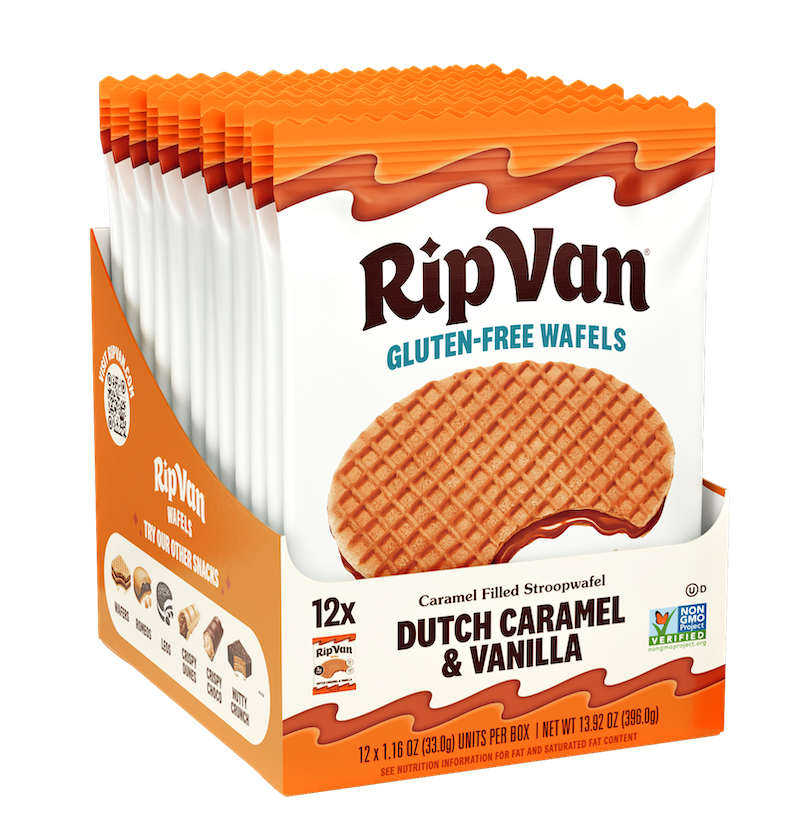
Portion control is easier with wafer cookies as well. A single cookie is a defined serving. There is no guessing where to stop. Candy bars come in a single piece, but they are often larger than a person needs for a momentary craving. A wafer cookie can satisfy the desire for something sweet in a smaller package, which helps with calorie density management over the course of a day.
Dessert cravings do not have to be the enemy. They are a normal part of eating. The trick is to find a snack that respects the craving while also respecting the body's need for steady energy and good nutrition. Wafer cookies, with their lower sugar content, added fiber, and satisfying texture, make a strong case for being the better sweet snack in most afternoon situations.